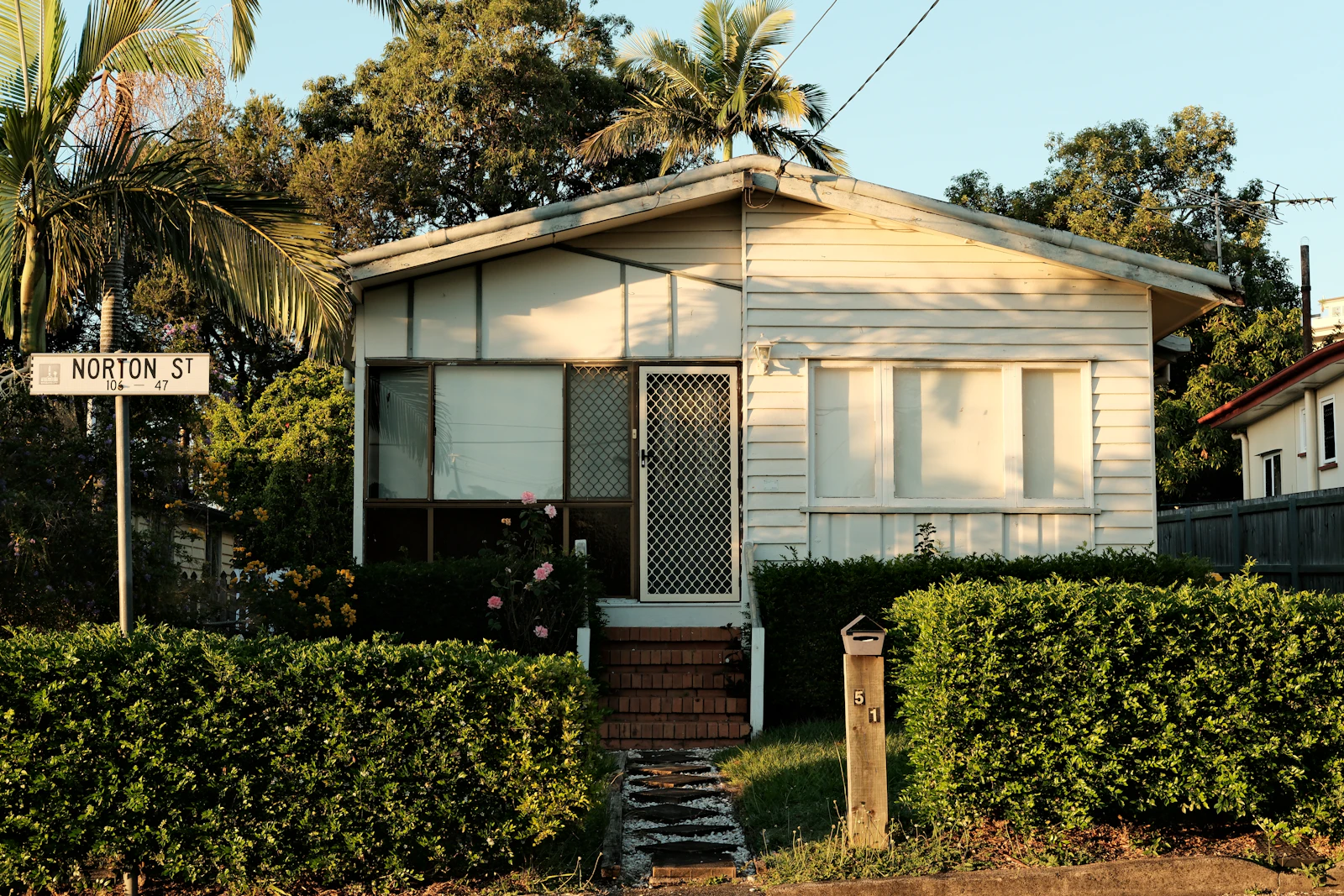
Regular maintenance supports the condition and usability of an investment property. It needs a planned budget and a process for responding to problems between scheduled visits.
Understand the owner’s obligations
NSW landlords must maintain the premises in a reasonable state of repair. This duty is not simply an optional responsibility that can be transferred to the tenant. Tenants have their own obligations to care for the property and report faults.
Plan the recurring work
Keep a list of recurring tasks, relevant service records and likely replacement needs. Obtain suitable advice for specialist systems, and discuss spending approvals with your property manager. Planning can help manage costs but does not guarantee capital growth.
Prioritise what the property needs
Choose work based on the actual fault, expected use and appropriate repair standard. A more expensive fitting is not automatically the best choice, nor does it necessarily add an equivalent amount to the property’s value.
Track the follow-up
Record the problem, the work completed and any recommendation for further investigation. Review recurring faults so that temporary fixes do not become the default response. Clear records help owners, agents and tenants work from the same information.
Sources and current guidance
Guidance reviewed 3 October 2026. Check the linked official information for your circumstances.