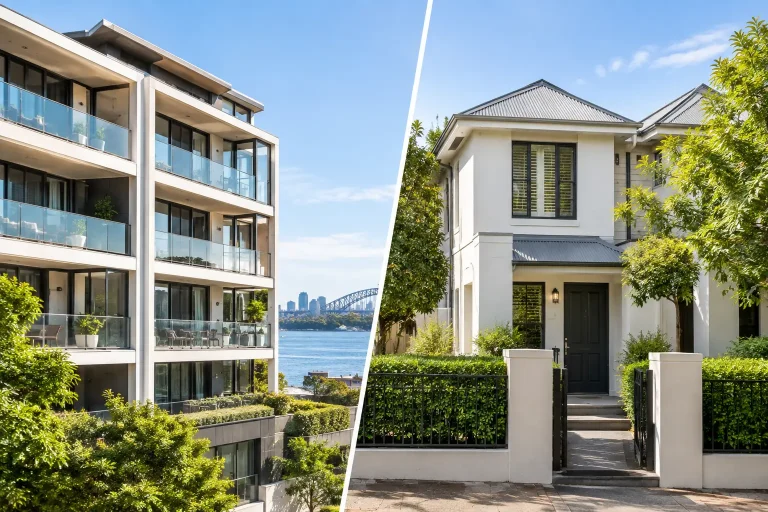

A home can look perfect on a Saturday inspection, then feel very different when you are managing a school run, a city commute, weekend sport and a grocery shop. That is why finding the right family suburbs Sydney buyers can genuinely settle into is less about chasing a postcode and more about matching a location to the way your household lives now and may live in five or ten years.
For some families, a walkable village and rail connection are non-negotiable. For others, a larger block, room for a trampoline and easier access to relatives matter more. The best choice is rarely the suburb with the loudest reputation. It is the one that gives your family enough daily convenience without placing unnecessary pressure on your budget.
Start with your family’s non-negotiables
Before comparing suburbs, be clear on what will make day-to-day life easier. This helps prevent a common buying mistake: falling for a renovated home that requires too many compromises once the excitement wears off.
Consider the practical details. How long can each adult reasonably commute, and how often will that commute happen? Are you looking for a local public school option, access to particular independent schools, or simply a good range of education choices as children get older? Do you need a train station, frequent buses, nearby childcare, sporting grounds or medical services?
Your answer will change depending on your stage of life. A couple with a baby may value pram-friendly streets, parks and childcare. A family with teenagers may place more weight on public transport, high school options, sporting facilities and a separate living area at home. Buyers planning to care for parents or host interstate family may need an extra bedroom, a granny flat opportunity or better road access.
It is also worth separating needs from preferences. A second bathroom may be essential for a growing family. A swimming pool may be a lovely extra, but it adds maintenance, safety obligations and can limit usable yard space. Being honest about these trade-offs gives you a clearer search brief and makes inspections more productive.
Family suburbs Sydney offers across different lifestyles
Sydney is too large and varied for one definitive list of best family suburbs. Price points, housing styles and commuting patterns differ sharply between regions. Looking at areas through a lifestyle lens is usually more useful than treating every suburb as directly comparable.
Inner West: community, character and connectivity
Suburbs such as Dulwich Hill, Marrickville, Ashfield, Leichhardt and Five Dock appeal to families who want established streets, cafés, parks and strong access to the CBD. Housing can include terraces, semi-detached homes and apartments, with larger freestanding homes often attracting significant competition.
The attraction is convenience. Many families can walk to local shops, use rail or light rail services, and enjoy a strong sense of neighbourhood activity. The trade-off is space. Blocks are typically smaller, parking can be tighter and a renovation may be part of the equation if you want more bedrooms or a better indoor-outdoor layout.
Northern suburbs: schools, green space and transport links
The North Shore and surrounding areas are often high on family wish lists because of their leafy streets, school options, established amenities and access to rail. Suburbs including Chatswood, Lane Cove, Lindfield, Wahroonga and Hornsby each offer a different mix of density, housing and lifestyle.
Buyers here should look beyond broad regional labels. A home near a busy arterial road may offer a different experience from one a few streets away. Travel times can also vary considerably depending on whether you are close to a station, travelling by car or relying on buses. Higher entry prices in many northern suburbs may mean choosing a townhouse, villa or apartment rather than a detached house, which can still be the right decision if the location supports your family routine.
North West: space and newer homes
The Hills District and North West Growth Area suit many families seeking newer homes, larger floorplans and access to parks, shopping centres and growing transport infrastructure. Kellyville, Rouse Hill, Castle Hill, Baulkham Hills and Box Hill are regularly considered by buyers who want more space than inner or middle-ring areas may provide at the same budget.
The benefits are clear, but it pays to inspect the finer details. Newer estates can differ in lot size, street parking, construction quality and access to established services. A map may show a school or station nearby, but the actual walk in summer heat, with young children, can tell a more useful story. Road congestion is another factor for households dependent on driving.
South and Sutherland Shire: outdoor living and established communities
For families drawn to beaches, bays, bushland and a more relaxed weekend rhythm, areas across the Sutherland Shire and southern Sydney can be compelling. Caringbah, Miranda, Gymea, Cronulla and Jannali offer different balances of transport, shopping, housing and access to the water.
These locations can provide a strong community feel and plenty of outdoor options. However, buyers should consider commute patterns carefully, particularly if work requires regular travel to the CBD, Parramatta or other employment hubs. Properties closer to beaches or major shopping precincts can also command a premium, so flexibility around property type or exact location can create better value.
Western Sydney: value, growth and family infrastructure
Western Sydney offers a broad range of established and emerging family locations. Parramatta and nearby suburbs provide employment, education, transport and apartment living, while areas such as Blacktown, Penrith, Winston Hills, Greystanes and parts of the Liverpool and Campbelltown regions can offer more attainable entry points or larger homes for the budget.
There is no single Western Sydney market. Some buyers prioritise proximity to major centres and rail lines; others want a quiet cul-de-sac, a bigger backyard and access to local schools. Future infrastructure and employment investment can be relevant, particularly for long-term owners and investors, but it should not outweigh the fundamentals of the individual property and street.
Inspect the suburb, not just the home
A polished campaign can make any property feel desirable. To assess whether a location will work for your family, visit at more than one time of day. Drive or walk the route to school and work during peak periods. Spend time at the nearest park. Check how long it really takes to reach shops, medical appointments and public transport.
Look closely at the immediate setting too. Busy roads, aircraft noise, flood exposure, drainage, steep driveways and limited parking can affect both liveability and future buyer appeal. If you are considering a home near bushland or water, understand the relevant planning, insurance and maintenance considerations rather than relying on assumptions.
School catchments deserve a measured approach. They can influence demand, but boundaries and enrolment policies can change. Confirm current information directly with the school and avoid paying a premium based solely on an unverified claim. A good family decision considers the full picture: education, commute, home suitability and financial comfort.
Buy for the next chapter, not only this year
The right property does not need to meet every future need from day one. Many successful buyers choose a well-located three-bedroom home with the potential to extend later, rather than stretching too far for a larger home in a less suitable location. Others choose a townhouse or apartment near transport and amenities, accepting less land in exchange for more time back in their week.
What matters is having a realistic plan. Consider whether the layout can adapt as children grow, whether there is enough storage, and whether the property has reasonable resale appeal if your circumstances change. If you are buying with a renovation in mind, price the work conservatively and account for the disruption. If you are rentvesting, assess the rental demand and holding costs with the same care you would apply to an owner-occupied purchase.
A pre-approval can help define your genuine comfort zone, but avoid treating the maximum borrowing amount as your target spend. Allow for rates, insurance, strata levies where relevant, repairs, moving costs and the ordinary expenses that arrive with family life. The strongest purchase is one that gives you choices rather than financial strain.
Get local advice before you narrow the search
A buyers agent or experienced local property professional can help test your assumptions about value, streets, buyer competition and future saleability. This is particularly useful when you are relocating, balancing competing school and work locations, or deciding between an established home and a newer growth-area property.
Your Next Move Real Estate supports buyers through these decisions with practical local insight and a clear focus on what suits the client, not just what is available this weekend. The aim is to help you move forward with confidence, whether that means acting quickly on the right home or waiting for a better fit.
The suburb that works best for your family may not be the one everyone else is talking about. Give yourself time to understand the daily rhythm of each area, keep your finances comfortably sustainable, and choose the home that makes the next stage of family life easier to enjoy.