
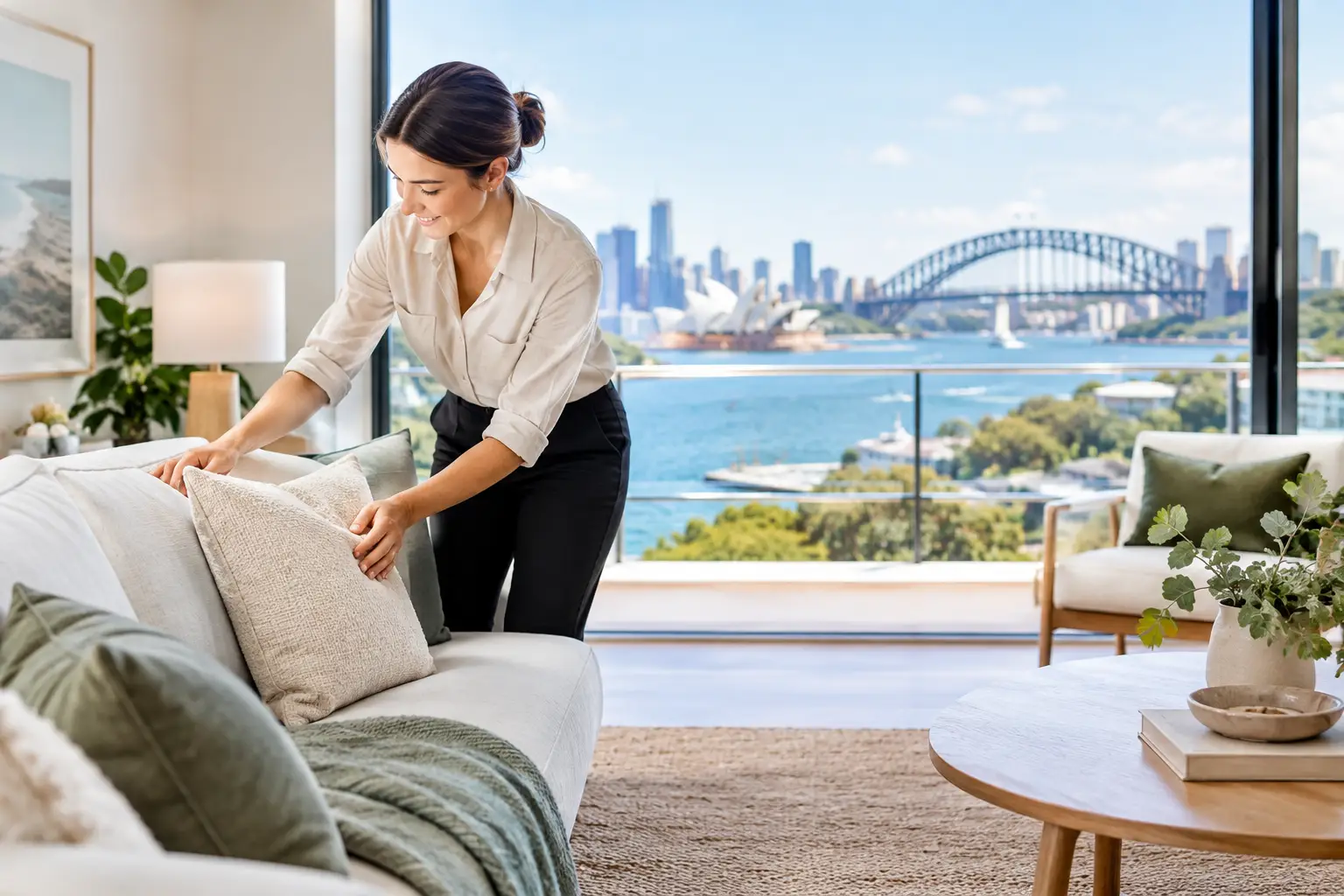
A Sydney sale can be won or lost before a buyer steps through the front door. They have usually reviewed dozens of listings, compared recent sales and formed an opinion from the first few photographs. To prepare home for sale Sydney owners need more than a quick tidy-up. The goal is to present a property that feels well cared for, easy to move into and appropriately positioned for its suburb, buyer group and price range.
The best preparation is not about making every home look the same. A renovated terrace in the Inner West, a family home in the Hills and an investment apartment near transport each attract different buyers. The right approach highlights what buyers value most while making the property feel clean, functional and inviting.
Start with a clear selling plan
Before spending money on paint, landscaping or furniture hire, ask for an honest assessment of your home and local competition. Look at comparable properties currently advertised as well as recent settled sales. This helps identify the likely buyer, the standard they will expect and where your home needs attention.
Timing matters, but it is not the only factor. Spring can bring more active buyers, while a well-presented home can perform strongly at other times when there are fewer competing listings. If you need to sell by a particular date, build in enough time for repairs, styling, photography and campaign preparation rather than rushing everything in the final week.
A good sales plan also sets a realistic budget. Some work produces a visible return because it improves first impressions or removes buyer concerns. Other work can be expensive and overly personal. Replacing a leaking tap is usually sensible; undertaking a full kitchen renovation shortly before sale may not be, particularly if buyers in your area are likely to renovate to their own taste.
Prepare your home for sale in Sydney by fixing the basics
Buyers notice signs of neglect quickly. Small defects can lead them to wonder what larger issues may sit behind the walls, under the floor or on the roof. Start with a walk-through at street level, then view each room as if you were seeing it for the first time.
Address obvious maintenance such as cracked tiles, loose handles, sticking doors, dripping taps, damaged flyscreens, blown light globes and peeling paint. Check that air conditioning, appliances, garage doors, intercoms and smoke alarms are working as expected. In strata properties, make sure the entry, balcony and storage area are as orderly as the apartment itself.
Be practical about bigger issues. If there is evidence of water damage, rising damp, roof leaks or unauthorised building work, seek professional advice early. Trying to conceal a serious defect can create problems later in the campaign or during contract negotiations. Clear information and an appropriate strategy are generally more valuable than a cosmetic cover-up.
Fresh paint has a wide appeal
A fresh coat of paint remains one of the most effective ways to lift presentation. Neutral does not have to mean bland. Soft whites, warm greys and restrained natural tones can make rooms feel brighter while allowing buyers to picture their own furniture in the space.
If your home has a bold feature wall or strongly coloured room, consider whether it suits the broadest likely audience. In a character home, original details may be a genuine selling point. In a smaller apartment, lighter finishes can make the layout feel more open. The choice should support the home rather than erase its personality.
Make space feel useful, not merely empty
Decluttering is one of the highest-value jobs before photography and inspections. It is not about stripping a home of life. It is about giving rooms a clear purpose and helping buyers understand their scale.
Remove excess furniture, crowded shelves, piles of paperwork and items stored on benches or floors. Clear wardrobes and cupboards enough that buyers can see their storage capacity. If necessary, use short-term storage for bulky pieces. A smaller number of well-proportioned furnishings often makes a room appear larger than a fully furnished space with too much in it.
Pay particular attention to flexible areas. A spare room filled with boxes can look like a storage problem, while the same room presented as a study, nursery or guest bedroom gives buyers an idea they can use. For family homes, practical storage, laundry space and a functional dining area can be just as persuasive as a beautifully styled living room.
Personal items deserve a measured approach. Family photographs, collections and children’s artwork make a home feel loved, but too much can distract buyers from the property. Edit rather than eliminate. You want the home to feel warm, without asking visitors to imagine themselves inside someone else’s life.
Give the exterior the attention it deserves
Street appeal sets the tone for every inspection. Buyers often arrive early, drive past before booking a viewing or inspect the front of the property while waiting for the door to open. A neglected front garden or cluttered entry can undermine excellent interiors.
Mow the lawn, edge paths, prune overgrown plants and remove weeds. Wash the front door, windows and outdoor lights, and make sure the house number is easy to see. A simple pot plant, clean doormat and functioning porch light can make an entry feel cared for without looking staged.
Outdoor living is especially valuable in Sydney, where buyers often place real weight on balconies, courtyards, decks and gardens. Clean outdoor furniture, remove broken pots and tidy bins, hoses and tools. If a compact balcony is best suited to morning coffee rather than large-scale entertaining, show it honestly. Buyers respond better to a believable lifestyle than an awkward attempt to make a small area do everything.
Style for the likely buyer and the camera
Styling should support the property’s strongest features: natural light, ceiling height, period character, views, indoor-outdoor flow or a functional family layout. It should not compete with them. Professional styling can be worthwhile where furniture is dated, rooms are vacant or the target market expects a polished presentation. It is not essential for every home, though thoughtful editing and a few well-chosen additions can still improve the result.
For photography, clean windows, open blinds and balanced lighting matter. Replace tired linen and towels, set dining tables simply and keep kitchen benches mostly clear. Avoid using heavy fragrances to mask odours. Fresh air, clean surfaces and a neutral scent are safer choices, especially for buyers sensitive to perfumes.
Photography should be booked only once the property is genuinely ready. Images are the first open inspection for many buyers, and they can remain online throughout the campaign. If the garden is unfinished or rooms are still full of packing boxes, wait until the presentation reflects the standard you want to promote.
Prepare for open homes without disrupting your life
A sale campaign can be demanding, particularly for families, tenants and owners who are still living in the property. Create a simple inspection routine so preparation does not become stressful each time. Keep a basket or cupboard for last-minute items, make beds in the morning, wipe kitchen and bathroom surfaces, and take rubbish out before visitors arrive.
During inspections, allow buyers room to look around and talk openly. If possible, take children and pets out of the home. Pets should not be left in a yard or room where they may distract visitors or create safety concerns. Secure valuables, medications, documents and spare keys before every open home.
Temperature also shapes the experience. In summer, cool the home before inspections and use outdoor shade where possible. In winter, a comfortably warmed home can make it easier for buyers to linger. These details do not replace correct pricing or a strong campaign, but they help people feel at ease long enough to connect with the property.
Avoid spending where buyers will not see the value
Preparation works best when it is targeted. Do not assume every imperfection requires a major upgrade. A buyer looking for a knock-down rebuild may place little value on a new bathroom, while a first-home buyer may strongly value a move-in-ready home. The likely price bracket, suburb and property type should guide each decision.
Be cautious with highly specific improvements shortly before sale. Expensive landscaping, elaborate light fittings or niche finishes may not appeal to everyone. Put your effort into cleanliness, maintenance, light, layout and the features that make the home easier to understand. These are the elements most buyers can recognise immediately.
When you are ready to sell, experienced local guidance can help you prioritise the work that matters rather than overspend on work that does not. Your Next Move Real Estate can provide practical advice based on your home, your timeline and the buyers active in your part of Sydney.
A well-prepared home does not need to look perfect or impersonal. It needs to make buyers feel confident that the property has been cared for and that they can see a future there. Start early, focus on the details that remove doubt, and let the home’s best qualities do the talking.