
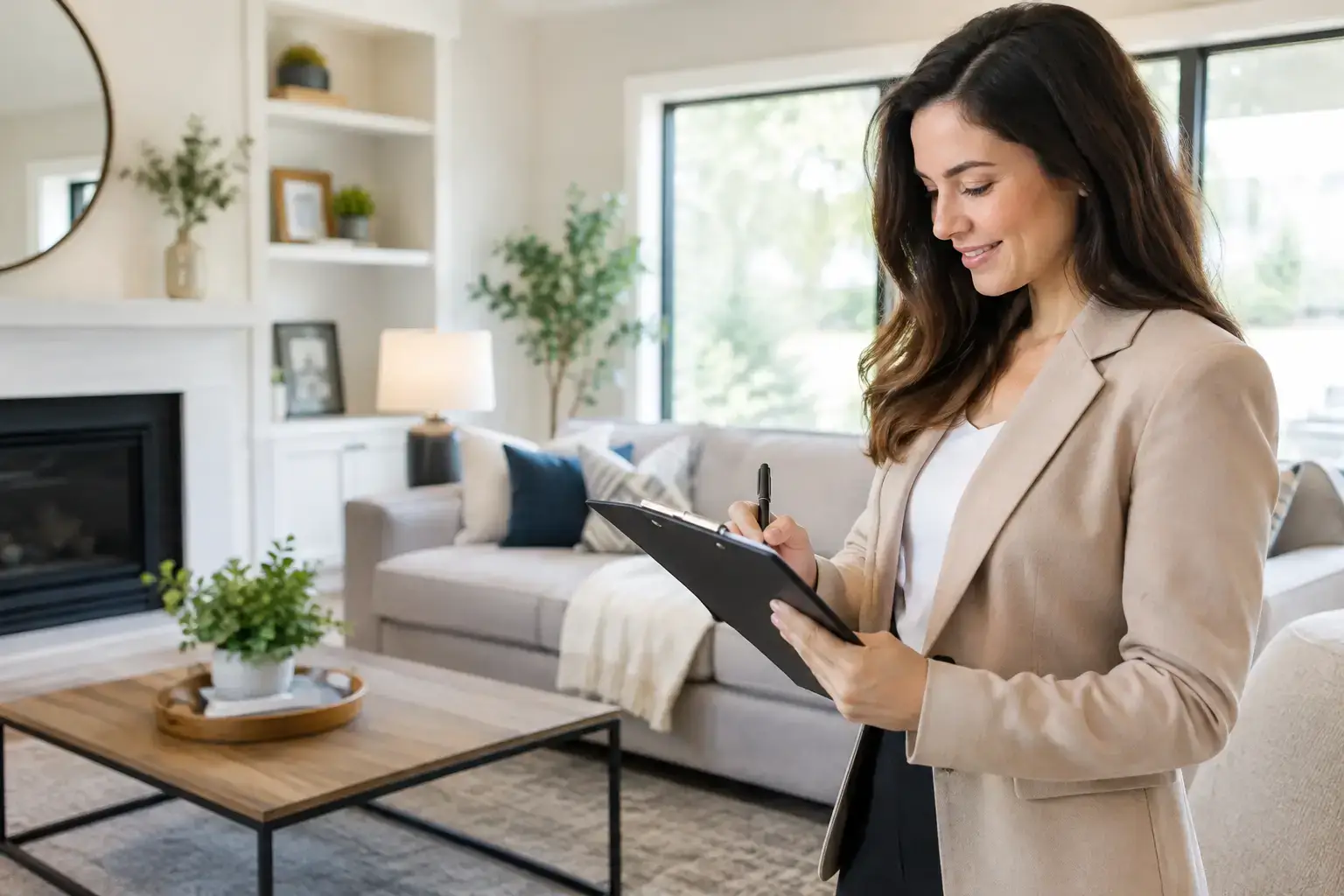
A well-presented property gives buyers fewer reasons to hesitate. This staging a house checklist is designed to help Sydney and NSW sellers make their home feel bright, cared for and easy to imagine living in – before the first inspection or photograph is taken.
Staging is not about making a home look like somebody else lives there. It is about helping buyers notice the space, lifestyle and potential of the property rather than being distracted by clutter, unfinished jobs or heavily personal styling. Done well, it can improve online appeal, increase inspection interest and support a stronger sale campaign.
Start with the buyer’s point of view
Before moving furniture or buying cushions, walk out to the street and return as though you are seeing the home for the first time. What do you notice in the first 30 seconds? A full bin, an overgrown garden, peeling paint or a dark entry can shape a buyer’s view before they reach the front door.
Think about the likely buyer for your property as well. A young family may respond to a usable backyard and organised storage. Professional couples may be drawn to a clean entertaining area, a practical home office and low-maintenance finishes. Investors will look closely at condition, rental appeal and costly maintenance risks. The goal is not to appeal to everyone equally. It is to make the right buyer feel at home.
Your staging a house checklist before photography
Photography sets the tone for the campaign, so complete the main preparation before your photographer arrives. Start with a proper clean, not a quick tidy. Windows, mirrors, skirting boards, light switches, rangehoods and shower screens all show up more than sellers expect in photos and at inspections.
Use this room-by-room checklist to focus your effort where it will have the greatest impact:
- Street appeal: Mow lawns, edge paths, prune untidy plants, remove weeds, sweep the porch and clean the front door. Check house numbers, exterior lights and the letterbox are in good condition.
- Entry: Keep it open and welcoming. Remove excess shoes, bags and bulky furniture. A clean doormat, working light and simple greenery can make the area feel considered without looking overstyled.
- Living areas: Take away excess furniture, personal collections, visible cables and overflowing shelves. Arrange seating to show how people can relax or entertain in the room.
- Kitchen: Clear benches almost completely, apart from a small number of purposeful items. Put away tea towels, pet bowls, fridge magnets and cleaning products. Clean appliances inside and out, including the oven if it is visible.
- Bedrooms: Make beds with fresh, neutral linen and keep bedside surfaces simple. Remove clothes from chairs, open storage and under-bed areas. A bedroom should feel restful and spacious, not like a storage room.
- Bathrooms and laundry: Remove personal toiletries, medicines, damp towels and washing. Polish tapware, clean grout where possible and replace tired shower curtains or bath mats if needed.
- Outdoor areas: Define how the space can be used. Clean outdoor furniture, clear cobwebs, tidy pools and remove damaged pots or children’s toys. Even a small balcony should feel like an extra place to sit.
If your budget is limited, prioritise cleaning, repairs, lighting and decluttering before decorative purchases. Buyers tend to forgive a modest sofa more readily than a leaking tap, stained grout or a broken blind.
Declutter without making the home feel empty
Decluttering is one of the most effective parts of staging, but it does not mean stripping every surface bare. A home still needs warmth and purpose. The right balance lets buyers see storage, floor area and natural light while feeling that the property is ready for everyday life.
Pack away highly personal items such as family photographs, certificates, political material and collections. This is not because your home should lack personality. It is because buyers need room to picture their own life there. The same principle applies to crowded wardrobes, linen cupboards and kitchen cabinets. Buyers often open them, and overfilled storage can make an otherwise generous home feel inadequate.
Consider hiring short-term storage if you are preparing a full home for sale. It can be particularly worthwhile for excess dining chairs, large exercise equipment, seasonal clothing and spare furniture. Creating clear walkways and visible floor space usually delivers a better result than trying to make every item fit.
Make small repairs before buyers find them
A staging plan cannot hide obvious maintenance problems, nor should it try to. Buyers may accept that an older home has character, but they can become cautious when minor issues suggest larger problems beneath the surface.
Walk through each room and note what needs attention. Replace blown globes, tighten loose handles, repair sticking doors, touch up scuffed walls and fix dripping taps. Ensure blinds operate smoothly and that every room has appropriate lighting. In Sydney, where inspections are often held during busy weekends, a dim room or poorly functioning feature can leave a lasting impression.
Not every renovation will pay for itself before sale. Replacing an entire kitchen or bathroom may not be necessary, especially if the likely buyer plans to renovate. In that situation, clean presentation, honest pricing and clear advice on the home’s potential can be more valuable than a rushed upgrade. Your agent can help you decide which improvements are likely to matter in your local market.
Use light, colour and furniture with restraint
Natural light is one of the strongest selling features a home can have. Open curtains and blinds before photography and inspections, clean the glass and trim plants that block important windows. If a room lacks daylight, use warm, consistent lighting rather than relying on one harsh overhead globe.
Neutral does not have to mean bland. Soft whites, warm greys, natural timber and muted textiles tend to photograph well and allow architectural features to stand out. Brighter colours can work when they are intentional, but a bold feature wall, loud artwork or patterned furniture may divide opinion. If you are unsure, keep the larger elements calm and introduce colour through cushions, throws, flowers or artwork.
Furniture should show a room’s purpose and scale. A large lounge suite can make a compact living room feel smaller, while too little furniture can make a house feel cold or confusing. If a spare room has become a dumping ground, consider whether it should be presented as a bedroom, study or nursery based on what will best suit local buyers.
Prepare for inspection day
The home may look excellent in photographs, but inspection presentation needs its own routine. Plan to leave before buyers arrive where possible. Sellers who remain in the property can unintentionally make people rush through or avoid discussing concerns openly.
On the day, air out the home briefly, then set a comfortable temperature. Turn on lamps in darker corners, open blinds, make beds and empty bins. Keep benches clear and remove pet food, litter trays and pet bedding if practical. Strong fragrances are best avoided. Fresh air and a clean home are more reassuring than scented candles trying to cover an odour.
If you have pets, arrange for them to be elsewhere during inspections and open homes. Some buyers are allergic, nervous around animals or distracted by them. It also makes it easier to keep floors, gardens and outdoor areas looking their best.
Know when professional staging is worthwhile
Professional styling can be a smart option for vacant homes, premium properties, awkward layouts or homes with dated or mismatched furniture. Stylists bring furniture, artwork and accessories that are chosen for the property’s scale and target market, which can make a meaningful difference in campaign photography.
However, professional staging is not essential for every sale. An occupied home that is clean, well maintained and thoughtfully edited can present beautifully with practical guidance. The decision comes down to your property, expected sale price, competition in the area and the condition of your existing furnishings.
Your Next Move Real Estate can help you weigh up the likely benefit against the cost, then create a presentation plan that feels achievable rather than overwhelming.
A buyer does not need to see perfection. They need to see a home that feels cared for, functional and full of possibility. Focus on the details that help them picture their next chapter there, and your property will be ready to make a confident first impression.